Câu 1
Mark the letter A, B, C or D on your answer sheet to indicate the word whose underlined part differs from the other three in pronunciation in each of the following questions.
Đáp án và lời giải
Đáp án: C
Mark the letter A, B, C or D on your answer sheet to indicate the word whose underlined part differs from the other three in pronunciation in each of the following questions.
Đáp án: C
Mark the letter A, B, C or D on your answer sheet to indicate the word whose underlined part differs from the other three in pronunciation in each of the following questions.
Đáp án: B
Mark the letter A, B, C or D on your answer sheet to indicate the word that differs from the other three in the position of primary stress in each of the following questions.
Đáp án: A
Mark the letter A, B, C or D on your answer sheet to indicate the word that differs from the other three in the position of primary stress in each of the following questions.
Đáp án: D
Mark the letter A, B, C or D on your answer sheet to indicate correct answers to each of the following sentences.
Our tour guide gave us a list of local tourist _______________, including museums, parks, and historical sites.
Đáp án: A
Mark the letter A, B, C or D on your answer sheet to indicate correct answers to each of the following sentences.
She ____________ with her friends at the festival when the fireworks started.
Đáp án: C
Mark the letter A, B, C or D on your answer sheet to indicate correct answers to each of the following sentences.
Nam thinks going hiking in the mountains is ____________ than swimming in a pool.
Đáp án: A
Mark the letter A, B, C or D on your answer sheet to indicate correct answers to each of the following sentences.
If we ___________ renewable energy sources, we ____________ our carbon footprints.
Đáp án: D
Mark the letter A, B, C or D on your answer sheet to indicate correct answers to each of the following sentences.
Phuong is telling Amelia her good news.
Phuong: “I’ve just been recognized to be the best student of the month!”
Amelia: “ ______________”
Đáp án: D
Mark the letter A, B, C or D on your answer sheet to indicate correct answers to each of the following sentences.
Da Nang, ___________ is famous for its international fireworks festival, attracts thousands of visitors every year.
Đáp án: D
Mark the letter A, B, C or D on your answer sheet to indicate correct answers to each of the following sentences.
Chi was __________ when she saw the beautiful sunset for the first time.
Đáp án: B
Mark the letter A, B, C or D on your answer sheet to indicate correct answers to each of the following sentences.
Drinking __________ of fruit juice is a good way to get vitamins.
Đáp án: C
Read the following announcement and mark the letter A, B, C or D on your answer sheet to indicate the correct option that best fits each of the numbered blanks from 13 and 16.
|
WHAT TO DO DURING DISASTERS 1. Stay (13) __________ your house and away from windows. 2. Don’t drive or walk into flood water. 3. Move to high ground far from (14) _____________ sea. 4. Get under a desk or table. 5. (15) ____________ to local news reports and leave if they tell you to leave. 6. Call the emergence services if you are in (16) _______________. |
WHAT TO DO DURING DISASTERS
Đáp án: B
Read the following announcement and mark the letter A, B, C or D on your answer sheet to indicate the correct option that best fits each of the numbered blanks from 13 and 16.
|
WHAT TO DO DURING DISASTERS 1. Stay (13) __________ your house and away from windows. 2. Don’t drive or walk into flood water. 3. Move to high ground far from (14) _____________ sea. 4. Get under a desk or table. 5. (15) ____________ to local news reports and leave if they tell you to leave. 6. Call the emergence services if you are in (16) _______________. |
WHAT TO DO DURING DISASTERS
Đáp án: D
Mark the letter A, B, C or D on your answer sheet to indicate the correct answer to each of the following questions from 17 to 18.
Choose the sentence that can end the text (in Question 17) most appropriately.
Đáp án: C
Mark the letter A, B, C or D on your answer sheet to indicate the correct opinion that best fits each of the numbered blanks from 19 to 24.
Living in the mountains can be very hard. First, there is (19) ____________ to grow crops or raise livestock. (20) ____________ houses is also difficult because the land is not flat. The air in the mountain is (21) _____________. The higher we get, the thinner the air becomes. This means there is less oxygen, which makes breathing harder.
Despite these challenges, people around the world have lived and worked in mountainous areas for centuries. There are many health benefits of living in the mountains. Being on the mountaintops (22) ___________ you to live far from pollution. The air you breathe is fresher. There are places where you cannot drive a car or a motorbike, (23) __________ you have to walk. Travelling up and down hills and mountains on foot helps keep (24) ___________. Finally, mountain people are quite simple and friendly. They live a peaceful life.
Đáp án: B
Mark the letter A, B, C or D on your answer sheet to indicate the correct opinion that best fits each of the numbered blanks from 19 to 24.
Living in the mountains can be very hard. First, there is (19) ____________ to grow crops or raise livestock. (20) ____________ houses is also difficult because the land is not flat. The air in the mountain is (21) _____________. The higher we get, the thinner the air becomes. This means there is less oxygen, which makes breathing harder.
Despite these challenges, people around the world have lived and worked in mountainous areas for centuries. There are many health benefits of living in the mountains. Being on the mountaintops (22) ___________ you to live far from pollution. The air you breathe is fresher. There are places where you cannot drive a car or a motorbike, (23) __________ you have to walk. Travelling up and down hills and mountains on foot helps keep (24) ___________. Finally, mountain people are quite simple and friendly. They live a peaceful life.
Đáp án: A
Mark the letter A, B, C or D on your answer sheet to indicate the correct opinion that best fits each of the numbered blanks from 19 to 24.
Living in the mountains can be very hard. First, there is (19) ____________ to grow crops or raise livestock. (20) ____________ houses is also difficult because the land is not flat. The air in the mountain is (21) _____________. The higher we get, the thinner the air becomes. This means there is less oxygen, which makes breathing harder.
Despite these challenges, people around the world have lived and worked in mountainous areas for centuries. There are many health benefits of living in the mountains. Being on the mountaintops (22) ___________ you to live far from pollution. The air you breathe is fresher. There are places where you cannot drive a car or a motorbike, (23) __________ you have to walk. Travelling up and down hills and mountains on foot helps keep (24) ___________. Finally, mountain people are quite simple and friendly. They live a peaceful life.
Đáp án: D
Mark the letter A, B, C or D on your answer sheet to indicate the correct opinion that best fits each of the numbered blanks from 19 to 24.
Living in the mountains can be very hard. First, there is (19) ____________ to grow crops or raise livestock. (20) ____________ houses is also difficult because the land is not flat. The air in the mountain is (21) _____________. The higher we get, the thinner the air becomes. This means there is less oxygen, which makes breathing harder.
Despite these challenges, people around the world have lived and worked in mountainous areas for centuries. There are many health benefits of living in the mountains. Being on the mountaintops (22) ___________ you to live far from pollution. The air you breathe is fresher. There are places where you cannot drive a car or a motorbike, (23) __________ you have to walk. Travelling up and down hills and mountains on foot helps keep (24) ___________. Finally, mountain people are quite simple and friendly. They live a peaceful life.
Đáp án: C
Mark the letter A, B, C or D on your answer sheet to indicate the correct opinion that best fits each of the numbered blanks from 19 to 24.
Living in the mountains can be very hard. First, there is (19) ____________ to grow crops or raise livestock. (20) ____________ houses is also difficult because the land is not flat. The air in the mountain is (21) _____________. The higher we get, the thinner the air becomes. This means there is less oxygen, which makes breathing harder.
Despite these challenges, people around the world have lived and worked in mountainous areas for centuries. There are many health benefits of living in the mountains. Being on the mountaintops (22) ___________ you to live far from pollution. The air you breathe is fresher. There are places where you cannot drive a car or a motorbike, (23) __________ you have to walk. Travelling up and down hills and mountains on foot helps keep (24) ___________. Finally, mountain people are quite simple and friendly. They live a peaceful life.
Đáp án: D
Mark the letter A, B, C or D on your answer sheet to indicate the sentence that is closest on meaning to the original sentence in each of the following questions.
“I’m busy with my work all day today”, his dad said.
Đáp án: A
Mark the letter A, B, C or D on your answer sheet to indicate the sentence that is closest on meaning to the original sentence in each of the following questions.
Let’s drink some warm water after eating spicy food.
Đáp án: C
Mark the letter A, B, C or D on your answer sheet to indicate the sentence that is made from the given cues in each of the following questions.
Lucy and I/ different opinions/ but/ we/ still/ get/ each other.
Đáp án: D
Mark the letter A, B, C or D on your answer sheet to indicate the sentence that is made from the given cues in each of the following questions.
Laura/ suggested/ go skiing/ the Alps/ Christmas.
Đáp án: A
Read the following sign or notice and mark the letter A, B, C or D on your answer sheet to indicate the correct answer to each of the following questions.
What does the sign say?
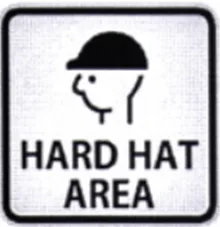
Đáp án: D
Read the following sign or notice and mark the letter A, B, C or D on your answer sheet to indicate the correct answer to each of the following questions.
What does the notice say?
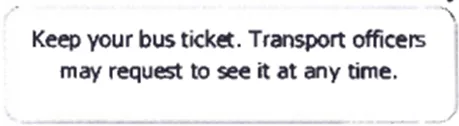
Đáp án: A
Read the following passage and mark the letter A, B, C or D on your answer sheet to indicate the correct answer to each of the following questions from 31 and 36.
British English and American English are two variations of the English language that share many similarities, but also some notable differences in pronunciation, vocabulary and grammar.
The pronunciation of American English is one of the biggest differences. One of the most noticeable differences is the pronunciation of R. The British tend to pronounce R in the middle and end of words very softly, but Americans like to stress it. Spelling is another difference. Americans often spell many verbs ending with a -t sound by using -ed as in burnt (BE) and burned (AE). In both of these cases, the -t is pronounced. British prefer to spell -ise with a S but American prefer to spell it as it is pronounced with a Z.
There are even differences in vocabulary. Americans use the word “pants” for “trousers” and “apartment” for the word “flat”.
Grammar is another area of difference. The British are more likely to use formal speech, such as “shall”, while Americans prefer the more informal version, “will”. You may hear the British say “needn’t” but Americans would almost always use “don’t need to”. In spite of these differences, the vast majority of language points is the same in both variations.
What is the main idea of the reading passage?
Đáp án: B
Read the following passage and mark the letter A, B, C or D on your answer sheet to indicate the correct answer to each of the following questions from 31 and 36.
British English and American English are two variations of the English language that share many similarities, but also some notable differences in pronunciation, vocabulary and grammar.
The pronunciation of American English is one of the biggest differences. One of the most noticeable differences is the pronunciation of R. The British tend to pronounce R in the middle and end of words very softly, but Americans like to stress it. Spelling is another difference. Americans often spell many verbs ending with a -t sound by using -ed as in burnt (BE) and burned (AE). In both of these cases, the -t is pronounced. British prefer to spell -ise with a S but American prefer to spell it as it is pronounced with a Z.
There are even differences in vocabulary. Americans use the word “pants” for “trousers” and “apartment” for the word “flat”.
Grammar is another area of difference. The British are more likely to use formal speech, such as “shall”, while Americans prefer the more informal version, “will”. You may hear the British say “needn’t” but Americans would almost always use “don’t need to”. In spite of these differences, the vast majority of language points is the same in both variations.
The word notable in paragraph 1 is CLOSEST in meaning to ____________.
Đáp án: A
Read the following passage and mark the letter A, B, C or D on your answer sheet to indicate the correct answer to each of the following questions from 31 and 36.
British English and American English are two variations of the English language that share many similarities, but also some notable differences in pronunciation, vocabulary and grammar.
The pronunciation of American English is one of the biggest differences. One of the most noticeable differences is the pronunciation of R. The British tend to pronounce R in the middle and end of words very softly, but Americans like to stress it. Spelling is another difference. Americans often spell many verbs ending with a -t sound by using -ed as in burnt (BE) and burned (AE). In both of these cases, the -t is pronounced. British prefer to spell -ise with a S but American prefer to spell it as it is pronounced with a Z.
There are even differences in vocabulary. Americans use the word “pants” for “trousers” and “apartment” for the word “flat”.
Grammar is another area of difference. The British are more likely to use formal speech, such as “shall”, while Americans prefer the more informal version, “will”. You may hear the British say “needn’t” but Americans would almost always use “don’t need to”. In spite of these differences, the vast majority of language points is the same in both variations.
What does the writer use to give more explanations to each point?
Đáp án: C
Read the following passage and mark the letter A, B, C or D on your answer sheet to indicate the correct answer to each of the following questions from 31 and 36.
British English and American English are two variations of the English language that share many similarities, but also some notable differences in pronunciation, vocabulary and grammar.
The pronunciation of American English is one of the biggest differences. One of the most noticeable differences is the pronunciation of R. The British tend to pronounce R in the middle and end of words very softly, but Americans like to stress it. Spelling is another difference. Americans often spell many verbs ending with a -t sound by using -ed as in burnt (BE) and burned (AE). In both of these cases, the -t is pronounced. British prefer to spell -ise with a S but American prefer to spell it as it is pronounced with a Z.
There are even differences in vocabulary. Americans use the word “pants” for “trousers” and “apartment” for the word “flat”.
Grammar is another area of difference. The British are more likely to use formal speech, such as “shall”, while Americans prefer the more informal version, “will”. You may hear the British say “needn’t” but Americans would almost always use “don’t need to”. In spite of these differences, the vast majority of language points is the same in both variations.
Which example is NOT mentioned in the text?
Đáp án: B
Read the following passage and mark the letter A, B, C or D on your answer sheet to indicate the correct answer to each of the following questions from 31 and 36.
British English and American English are two variations of the English language that share many similarities, but also some notable differences in pronunciation, vocabulary and grammar.
The pronunciation of American English is one of the biggest differences. One of the most noticeable differences is the pronunciation of R. The British tend to pronounce R in the middle and end of words very softly, but Americans like to stress it. Spelling is another difference. Americans often spell many verbs ending with a -t sound by using -ed as in burnt (BE) and burned (AE). In both of these cases, the -t is pronounced. British prefer to spell -ise with a S but American prefer to spell it as it is pronounced with a Z.
There are even differences in vocabulary. Americans use the word “pants” for “trousers” and “apartment” for the word “flat”.
Grammar is another area of difference. The British are more likely to use formal speech, such as “shall”, while Americans prefer the more informal version, “will”. You may hear the British say “needn’t” but Americans would almost always use “don’t need to”. In spite of these differences, the vast majority of language points is the same in both variations.
What final comment does the author make about differences between American and British English?
Đáp án: C
Read the following passage and mark the letter A, B, C or D on your answer sheet to indicate the correct answer to each of the following questions from 31 and 36.
British English and American English are two variations of the English language that share many similarities, but also some notable differences in pronunciation, vocabulary and grammar.
The pronunciation of American English is one of the biggest differences. One of the most noticeable differences is the pronunciation of R. The British tend to pronounce R in the middle and end of words very softly, but Americans like to stress it. Spelling is another difference. Americans often spell many verbs ending with a -t sound by using -ed as in burnt (BE) and burned (AE). In both of these cases, the -t is pronounced. British prefer to spell -ise with a S but American prefer to spell it as it is pronounced with a Z.
There are even differences in vocabulary. Americans use the word “pants” for “trousers” and “apartment” for the word “flat”.
Grammar is another area of difference. The British are more likely to use formal speech, such as “shall”, while Americans prefer the more informal version, “will”. You may hear the British say “needn’t” but Americans would almost always use “don’t need to”. In spite of these differences, the vast majority of language points is the same in both variations.
The word vast in paragraph 3 is OPPOSITE in meaning to __________.
Đáp án: D
Four phrases/ sentences have been removed from the text below. For each question, mark the letter A, B, C or D on your answer sheet to indicate the correct option that best fits each of the numbered blanks from 37 to 40.
England’s traditions have been around for hundreds, even thousands of years. English cuisine is (37) ______________ that English people are proud to keep alive.
Typical English cuisine has developed over many centuries, and people say that fish and chips is the most English dish of all. It is believed that fish and chips appeared in England in the 19th century. (38) ___________. Since then people have considered fish and chips to be England's national dish, and it is now a common takeaway in the United Kingdom
The basic ingredients of the dish are fried fish served with chips. (39) ________________. Fish and chips is served hot as the main dish in England. Although there is oil and carbohydrates in fish and chips, it is healthier than other takeaway dishes.
Now there are fish and chip shops in many countries, and it is (40) ____________in other countries too. Preserving and promoting fish and chips is the way English people keep themselves associated with the past.
______
Đáp án: B
Four phrases/ sentences have been removed from the text below. For each question, mark the letter A, B, C or D on your answer sheet to indicate the correct option that best fits each of the numbered blanks from 37 to 40.
England’s traditions have been around for hundreds, even thousands of years. English cuisine is (37) ______________ that English people are proud to keep alive.
Typical English cuisine has developed over many centuries, and people say that fish and chips is the most English dish of all. It is believed that fish and chips appeared in England in the 19th century. (38) ___________. Since then people have considered fish and chips to be England's national dish, and it is now a common takeaway in the United Kingdom
The basic ingredients of the dish are fried fish served with chips. (39) ________________. Fish and chips is served hot as the main dish in England. Although there is oil and carbohydrates in fish and chips, it is healthier than other takeaway dishes.
Now there are fish and chip shops in many countries, and it is (40) ____________in other countries too. Preserving and promoting fish and chips is the way English people keep themselves associated with the past.
______
--- THE END ---
Đáp án: A